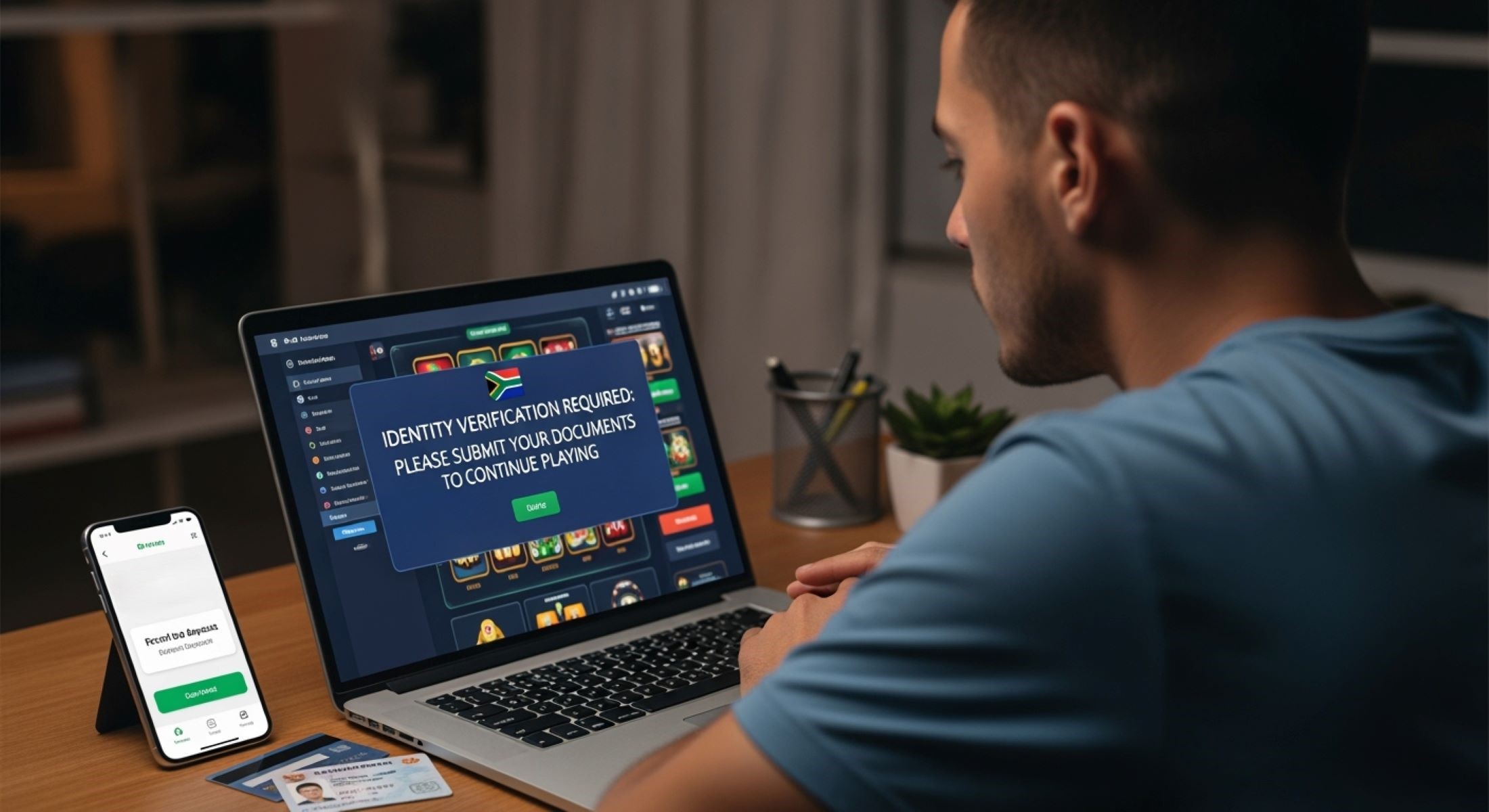

How Casinos Protect Users’ Data
Imagine walking into a casino and leaving your ID, credit card, and entire life history on the front desk. Sounds ridiculous, right? But that’s kind of what happens if an online casino doesn’t protect your data. Your name, address, banking details, and even gameplay history are all floating around in their servers. South African casinos know this. That’s why data protection is not just a buzzword—it’s a top priority.
Understanding the Basics of Online Casino Security
So, how exactly do online casinos keep your personal data safe? Think of it as locking your valuables in a high-tech digital vault, protected by multiple layers of security measures. The goal is to ensure that only authorized people or systems can access your information while keeping hackers and cybercriminals at bay. It’s not just about having a strong password; it’s a whole system working behind the scenes to shield your data every second you’re logged in.
One of the most important tools in this system is encryption. Encryption scrambles your data into a code that looks like gibberish to anyone without the right key to decode it. This means that even if someone manages to intercept your information while it’s being transmitted or stored, they won’t be able to understand it. It’s like sending a secret message in a language only you and the casino can read. This technology is essential to prevent hackers from stealing sensitive details like your credit card numbers or login credentials.
But encryption alone isn’t enough. Casinos also use authentication methods to make sure you are who you say you are before granting access to your account. This can involve entering your password, answering security questions, or using two-factor authentication, which requires a second form of verification like a code sent to your phone. This extra step acts like a digital bouncer checking IDs at the door, ensuring that only you can enter your account even if someone else knows your password.
On top of that, casinos constantly monitor their systems for any unusual activity that could signal a security threat. Advanced software watches for strange patterns, such as multiple failed login attempts or transactions from unexpected locations. This kind of surveillance acts like security cameras and guards in a nightclub, catching potential trouble before it turns into a full-blown breach. Together, these measures create a layered defense that keeps your information safe and your gaming experience worry-free.
South Africa’s Legal Framework for Data Protection
Let’s explore South Africa’s legal framework for data protection in detail. The government has established strict rules that all businesses, including online casinos, must follow to protect user data. The cornerstone of this framework is the Protection of Personal Information Act (POPIA), which sets out clear obligations for how personal data must be handled. Here’s a detailed list of the main requirements and principles under POPIA that casinos must observe:
- Lawful Processing: Personal information must be processed lawfully and in a reasonable manner that does not infringe on the privacy rights of individuals.
- Accountability: The organization collecting and processing data (like a casino) is responsible for ensuring compliance with POPIA’s provisions.
- Purpose Specification: Data must be collected for a specific, explicitly defined purpose and cannot be processed further in a way incompatible with that original purpose.
- Minimality: Only the minimum amount of personal data necessary to fulfill the purpose may be collected—no unnecessary information hoarding.
- Consent Requirement: Casinos must obtain explicit consent from users before collecting or processing their personal data, ensuring that consent is informed and freely given.
- Transparency: Organizations must be transparent about the collection and use of data by providing clear information to users about what data is collected, why, how it will be used, and who will access it.
- Security Safeguards: Personal information must be secured through appropriate, reasonable technical and organizational measures to prevent loss, damage, unauthorized access, or disclosure.
- Data Subject Participation: Users have the right to access their personal information held by the casino and request corrections or deletion where appropriate.
- Retention Limitation: Data should only be retained for as long as necessary to achieve the purpose for which it was collected, after which it should be securely destroyed or anonymized.
- Data Quality: Casinos must take reasonable steps to ensure that the personal information collected is accurate, complete, and up-to-date.
- Cross-border Data Transfers: Transferring personal information outside South Africa is allowed only if the destination country has adequate data protection laws or if adequate safeguards are in place.
- Notification of Breaches: If a data breach occurs that compromises personal information, the casino must promptly notify both the affected individuals and the Information Regulator.
- Special Personal Information: Additional protections apply when processing sensitive data, such as race, health information, or biometric details.
Why South African Casinos Take Cybersecurity Seriously
| Risk | Description | Potential Impact on Users | Potential Impact on Casinos | Why Casinos Prioritize This |
| Data Breaches | Unauthorized access to users’ personal and financial information | Exposure of sensitive data; potential identity theft | Loss of user trust, hefty lawsuits, regulatory fines | Protects reputation and avoids costly legal penalties |
| Identity Theft | Criminals steal personal data to impersonate users and commit fraud | Financial loss, credit damage, emotional stress | Negative publicity and user attrition | Ensures customer confidence and long-term loyalty |
| Fraudulent Transactions | Illegal or unauthorized bets and payments made using stolen data | Users lose money; accounts get compromised | Financial losses from chargebacks and fraud | Maintains financial stability and operational integrity |
| Service Disruptions | Cyberattacks like DDoS that disrupt casino operations | Players unable to access games or withdraw funds | Revenue loss and damaged brand reputation | Guarantees smooth gameplay and user satisfaction |
| Regulatory Non-Compliance | Failure to comply with data protection laws like POPIA | Users’ rights violated; personal data mishandled | Fines, sanctions, and possible suspension of licenses | Ensures legal operation and market credibility |
| Reputation Damage | Negative word-of-mouth and bad press after security incidents | Users lose confidence and may stop playing | Decline in user base and difficulty attracting new players | Protects brand value and competitive edge |
The Role of the POPIA in Casino Data Safety
The Protection of Personal Information Act (POPIA) plays a massive role in how South African online casinos handle user data. It’s not just a set of guidelines sitting in a drawer—it’s a legal framework that directly influences the day-to-day operations of every licensed digital gambling platform in the country. By regulating how personal information is collected, processed, stored, and shared, POPIA ensures that user privacy is treated as a priority, not an afterthought.
One of the most important principles under POPIA is user consent. Casinos are legally required to obtain clear and informed permission before collecting any personal data. That means they can’t just sneak data collection into the fine print—you have to actively agree to it, knowing exactly what information is being gathered and why. This transparency builds trust between the platform and the player, which is critical in an industry where financial transactions and sensitive details are exchanged constantly.
Another essential requirement is the principle of data minimization. Casinos aren’t allowed to collect more data than necessary. For example, if a casino only needs your name, age, and banking info to process a payment, they can’t justify asking for your occupation, family background, or other irrelevant details. In addition to that, access to this information must be strictly controlled. Only authorized personnel—those who need to see it for a legitimate business reason—are allowed to access user data. This reduces the risk of leaks, mishandling, or internal misuse.
If something does go wrong, POPIA mandates that casinos must notify both the affected users and the Information Regulator promptly. Whether it’s a data breach, unauthorized access, or a system failure that compromises personal information, there’s no sweeping it under the rug. Players have the right to know if their data has been exposed so they can take appropriate steps to protect themselves. By enforcing these obligations, POPIA not only promotes ethical data practices but also holds online casinos accountable to a higher standard of responsibility and security.
How Encryption Shields Your Personal Data
Encryption is one of the most powerful tools in the fight to protect personal data in the online casino world. It works by converting sensitive information into unreadable code during transmission or storage, making it virtually impossible for unauthorized users to access or understand. Even if cybercriminals manage to intercept encrypted data, they won’t be able to decipher it without a decryption key—which is only available to the intended recipient, like the casino’s secure server. Here’s a detailed list of the encryption methods and practices that South African casinos commonly use to shield your personal data:
- SSL (Secure Socket Layer) Encryption: This is a standard security protocol used to establish a secure link between a user’s browser and the casino’s server. It ensures that all data transferred remains private and integral during the session. It’s one of the first indicators of a trustworthy casino, often visible as a padlock icon in the browser’s address bar.
- TLS (Transport Layer Security): A more advanced version of SSL, TLS offers stronger encryption algorithms and better protection. Most modern casinos have migrated to TLS for enhanced safety during data transmission.
- 256-bit Encryption Standards: This military-grade encryption method is currently one of the most secure systems available. It would take billions of years for even the fastest computers to crack it via brute-force attacks, making it the gold standard for protecting sensitive financial and personal data.
- End-to-End Encryption: Some platforms implement end-to-end encryption to ensure that the data remains encrypted not just during transmission but also while it’s being stored or handled internally. Only the sender and receiver can access the original content.
- HTTPS Protocol: Legitimate South African casinos use HTTPS rather than HTTP in their URLs. The “S” stands for “secure” and indicates that encryption is in place for all communications between your device and the website.
- Database Encryption: Data stored in casino servers—such as login credentials, game history, and payment details—is encrypted at rest. This means that even if a hacker gets into the database, they can’t make sense of the data without decryption keys.
- Encryption Key Management: Casinos use advanced systems to manage encryption keys securely. Keys are stored in hardware security modules (HSMs) or encrypted key vaults, ensuring that even internal employees can’t misuse them.
- Encrypted Payment Gateways: Payment processors integrated into casino sites use encryption to protect card details and bank account information during deposits and withdrawals, adding another layer of transaction security.
- Multi-layered Encryption Protocols: Top-tier casinos often combine different forms of encryption—like symmetric and asymmetric encryption—to create a multi-layered defense against cyber threats.
- Regular Algorithm Updates: To stay ahead of evolving threats, casinos update their encryption algorithms regularly, retiring older methods that may become vulnerable over time.
Two-Factor Authentication (2FA): Your Digital Guard Dog
| 2FA Method | How It Works | Delivery Channel | User Experience | Benefit to Casinos |
| SMS Verification Code | A one-time code is sent to your registered mobile number after entering password | SMS/Text Message | Quick and easy, but vulnerable if phone is lost or cloned | Prevents unauthorized logins, even with stolen credentials |
| Email-Based Code | A temporary code is emailed to the user for confirmation | Slightly slower but secure if email account is protected | Adds a second barrier with minimal setup for the user | |
| Authenticator App | Time-based codes generated by apps like Google Authenticator or Authy | Mobile App | Highly secure, even works offline, user needs to install the app | Reduces risk of phishing or SIM-swapping attacks |
| Biometric Authentication | Uses fingerprint or facial recognition on user devices | Mobile/Device Hardware | Seamless experience if supported, fast and intuitive | Offers strong identity verification with minimal friction |
| Push Notification Approval | Sends a prompt to the user’s device asking them to approve the login attempt | Casino App or Auth App | Very user-friendly, just a tap to approve or deny | Enhances user engagement while providing secure login control |
Firewall Protection: The Castle Wall of Casino Platforms
When it comes to online security, firewalls are the first line of defense—think of them as the castle walls that stand between a casino’s servers and the outside world. Their job is to monitor every bit of incoming and outgoing traffic, acting as a filter that decides what gets in and what stays out. Just like a fortress guard checks who enters through the gates, firewalls make sure only safe, authorized data is allowed to pass through, while anything suspicious is immediately blocked or flagged for review.
Casinos rely heavily on sophisticated firewalls to protect their infrastructure from a wide range of threats. One common type is the packet-filtering firewall, which examines small chunks of data (called packets) and checks whether they meet a predefined set of rules. If a packet fails the test, it’s denied entry. It’s a fast and effective way to handle simple threats, but more advanced casinos go further with proxy firewalls that act as intermediaries between users and the servers. These firewalls completely isolate internal systems from direct exposure, creating an extra barrier against attacks.
The real heavyweight in the firewall family is the next-generation firewall (NGFW). These firewalls go beyond traditional rule-based filtering. They dive deep into the actual contents of the traffic using deep packet inspection (DPI), which means they can detect and prevent more complex threats like malware, ransomware, and intrusion attempts. Many NGFWs also integrate AI-driven threat detection and behavior monitoring, making them smart enough to adapt and respond in real-time to evolving cyberattacks. For a high-stakes industry like online gambling, this level of protection is not optional—it’s essential.
Even though firewalls aren’t as flashy as encryption or biometric logins, they play a crucial behind-the-scenes role in keeping casino platforms secure. Without them, every login, bet, or payout could be exposed to risk. South African online casinos understand this, which is why they invest heavily in multi-layered firewall systems that work around the clock. Just like castle walls, they’re often invisible during peace—but absolutely vital when under siege.